

The author is the senior pastor of Triumph Church in Detroit and Southeast Michigan. He ran for mayor of Detroit in 2025.
By Rev. Solomon Kinloch Jr.
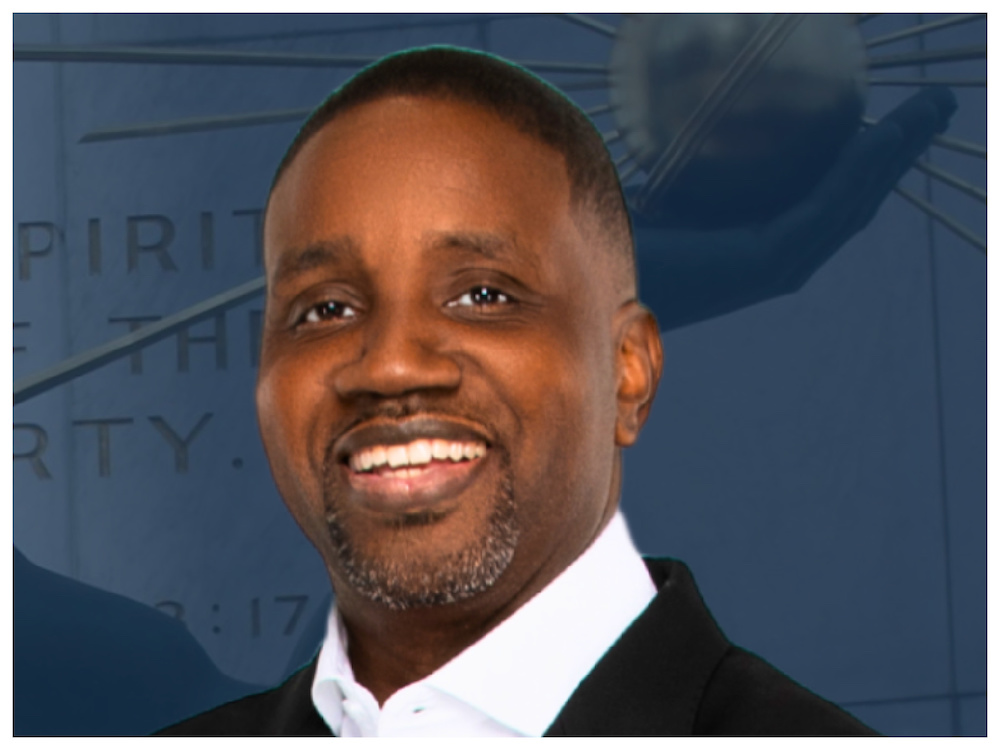
Rev. Solomon Kinloch Jr.
Political campaigns end; our shared responsibility to lift this city up does not. This mayoral transition is not simply a change in leadership; it is a moment for Detroiters to reaffirm the kind of city we want to build together.
The voters chose a new path and a new administration, but the work ahead belongs to all of us. Now, as one chapter closes and another begins, the real work of governing — of delivering on our shared hopes and addressing our deepest challenges — truly begins.
And make no mistake: we have challenges.
We must eradicate childhood poverty — not reduce it, not soften it, but end it.
More than half the children in our city are living in poverty. That is more than a statistic; it is a moral crisis. No city can call itself strong when nearly half of its children grow up in households struggling to meet basic needs.
This is not an issue for government alone — though government must lead with urgency and accountability. It is a mandate for business, philanthropy, faith communities, neighborhood groups, and every Detroiter who believes our future is tied to the future of every child who walks into a classroom, sits at a kitchen table, or goes to bed hungry.
Ending childhood poverty requires bold policies and strong partnerships: expanding access to early childhood education, ensuring families have stable and affordable housing, increasing wages, lowering household costs, and removing the barriers that keep far too many Detroiters from economic mobility.
Let’s be honest; This work, in the face of continued cuts from the federal government, will be harder than it's ever been, but if we are serious about making Detroit a world-class city, then we must be even more serious about making it a world-class place to grow up.
If there is one lesson this campaign made clear to me, it is this: We must also reengage the Detroiters who don’t feel seen, heard, or counted.
In this election, nearly 80 percent of Detroiters stayed home, not because they didn’t care — but because they didn’t feel connected. They didn’t feel included. They didn’t feel power in the process.
Low voter turnout is not a failure of the people. It is a failure of the systems meant to reach them. It is a failure of leaders — past and present — to engage, listen, and build trust. It is a failure of the media to cover the substance, not the sensational, and to hold leaders to account.
Democracy must not wait for people to come to it; democracy must go to the people— in apartment buildings, in corner stores, in church basements, in schools, in shelters, at bus stops. Every Detroiter deserves a voice in decisions that shape their future. And a city that leaves thousands of people on the sidelines cannot — and will not — reach its full potential.
If Detroit is going to rise to its calling, we must embrace a new civic covenant — one rooted in dignity, shared responsibility, and the belief that every Detroiter deserves a fair shot. Business, philanthropy, and government each have a distinct responsibility — and a shared destiny. We cannot afford silos. Not now. Not with the stakes this high.
I know something about this city’s pain, and I know something about its promise. And I believe, deeply, that the Detroit we can build together is far greater than the Detroit any one leader could ever promise alone.
So let’s get to work. Let’s attack childhood poverty. Let’s give Detroiters who feel forgotten a reason to believe. Let’s forge the partnerships and think big about what this city can be for everyone.
Campaign season is behind us. But Detroit’s season of possibility is just beginning.